Expressive Arts Psychotherapy
With post graduate qualifications in Arts Psychotherapy and certification in Guided Drawing, Clayfield Therapy and Interactive Drawing Therapy I draw on a wide range of creative approaches depending on the client’s needs and preference.
What is Expressive Therapy?
While traditional talk therapies rely on verbal communication to explore concerns, deepen awareness and ultimately deliver change in a person’s life, for many clients talking is neither the most effective nor the most desirable means of exploration. For some, there are things that simply can’t be spoken about without the risk of re-traumatising or some things may lie below our level of conscious awareness. How can this be retrieved, expressed, explored and addressed safety and in a way that is helpful?
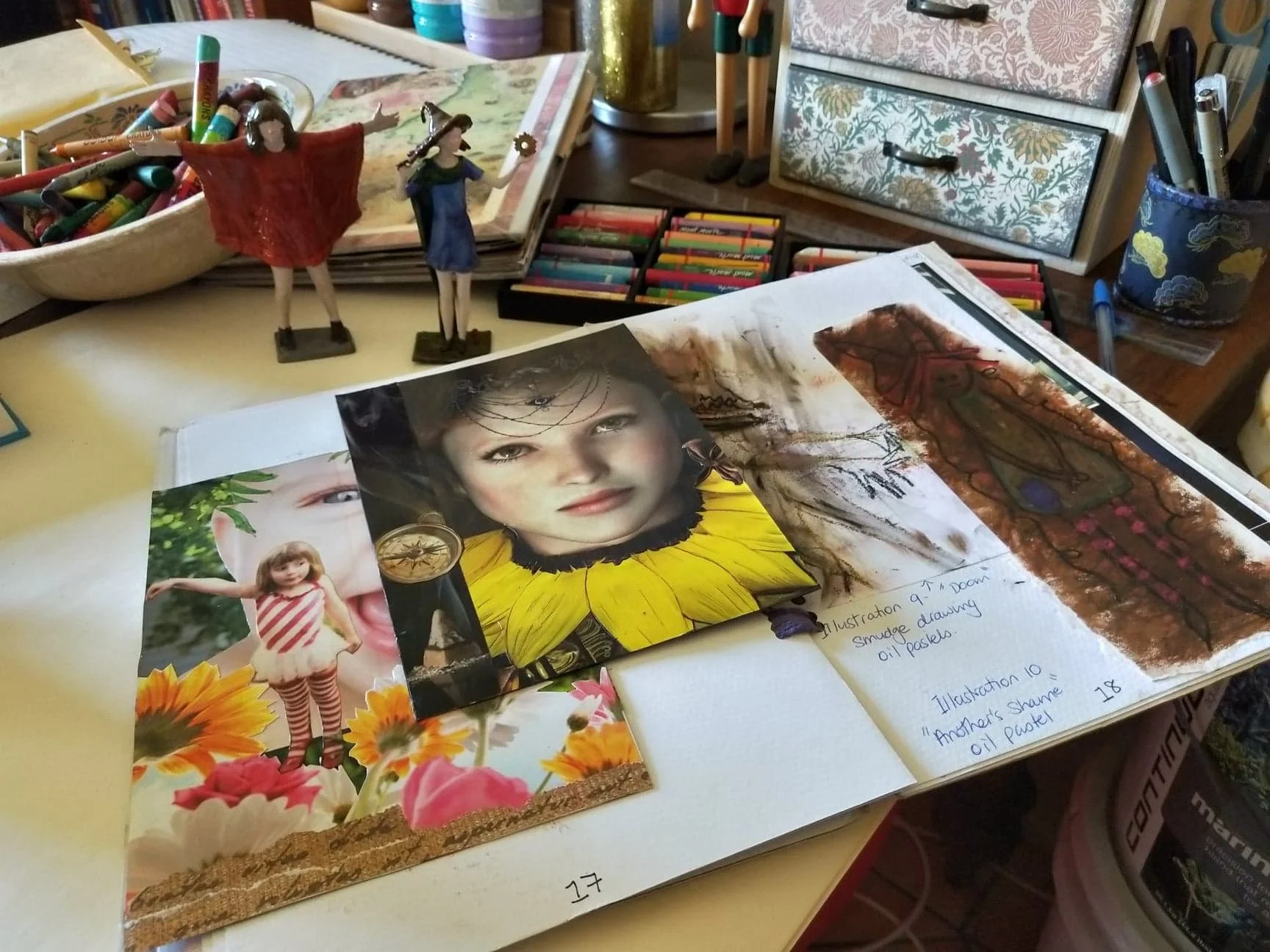
Historically, humans have intuitively drawn on right-brain-dominant, creative expression as a means of self-exploration and communication. Be it through art-making, dance, movement, symbols, storytelling, music, song, poetry or creative writing, the creative arts have long been used to facilitate deeper human connection, enhanced self-awareness and overall wellbeing. It is no surprise then that in recent decades the use of multimodal, creative expression for psychotherapeutic outcome has been recognised, explored and developed into the respected, evidence-based, holistic health intervention that it is today.
As a person-centred, trauma-informed arts therapist, I work collaboratively with each client to offer custom-designed creative inquiry that facilitates deeper exploration of the lived experience, increased awareness, personal empowerment and ultimately, change in the ways the client has self-determined.
For those open to working creatively the modality used will be the one most suited to the individual on any given day … and the one with which they most resonate. Choice will be offered. Nothing is forced or pressured and our work together emerges organically.
Do I Need to be Able to Draw?
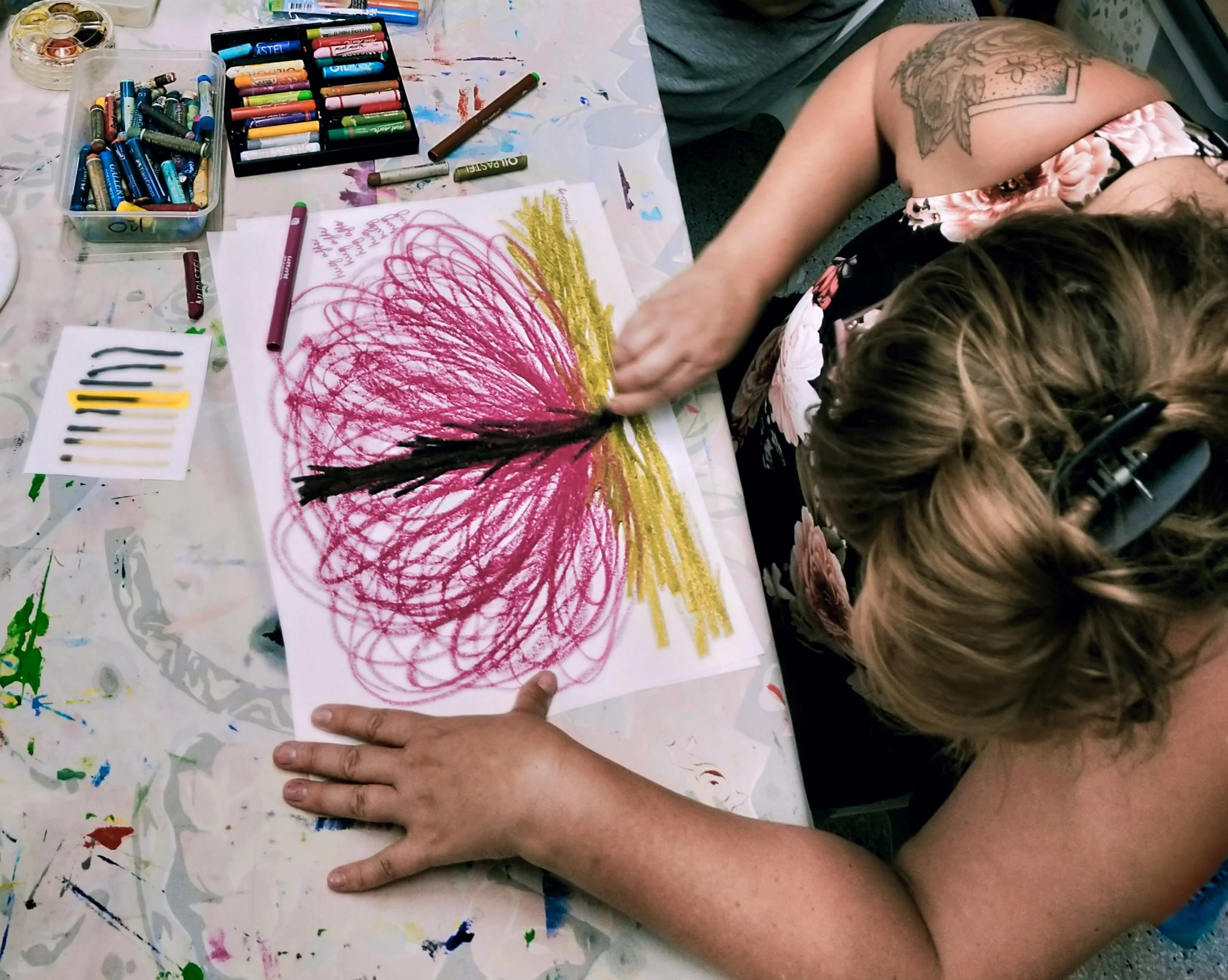
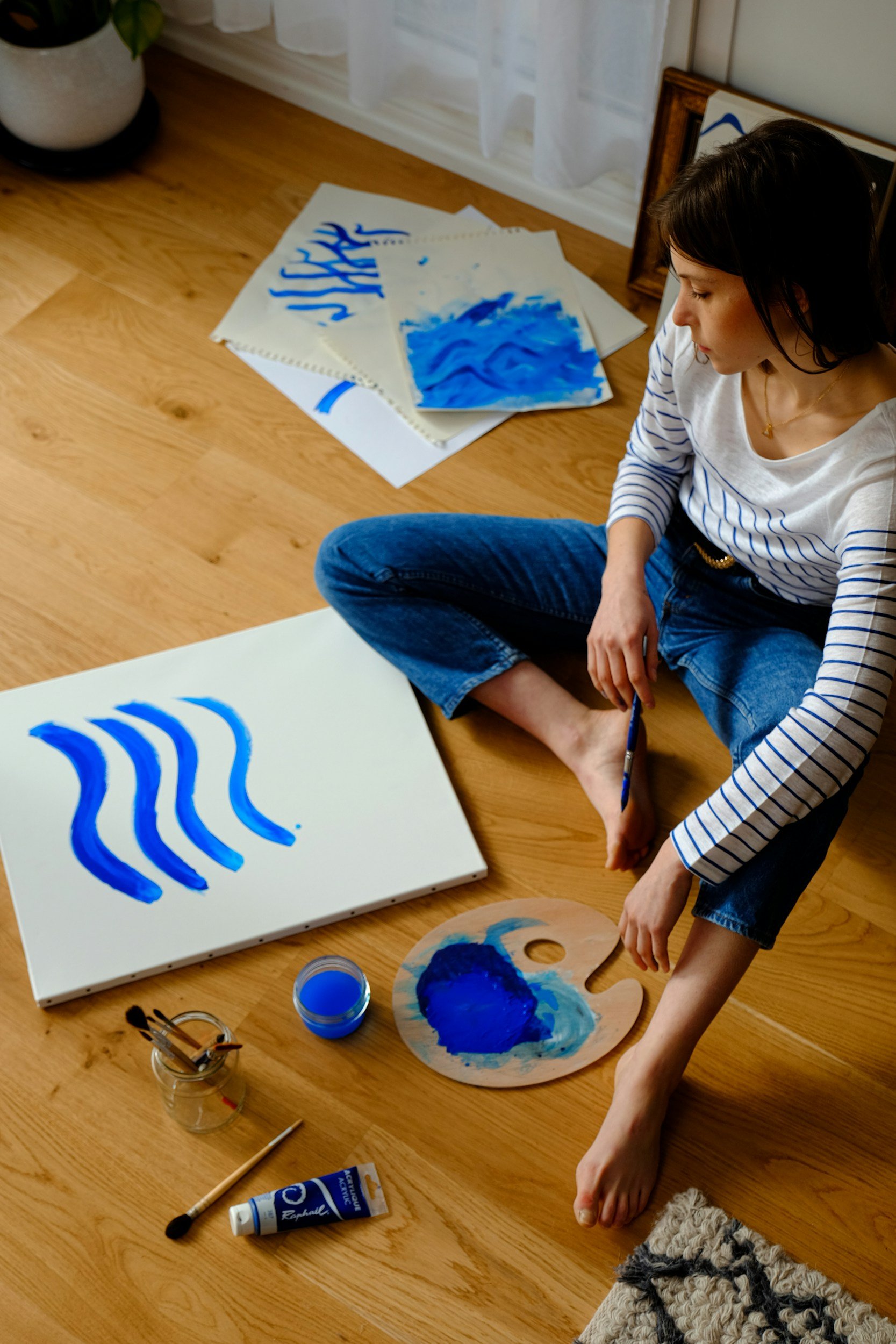
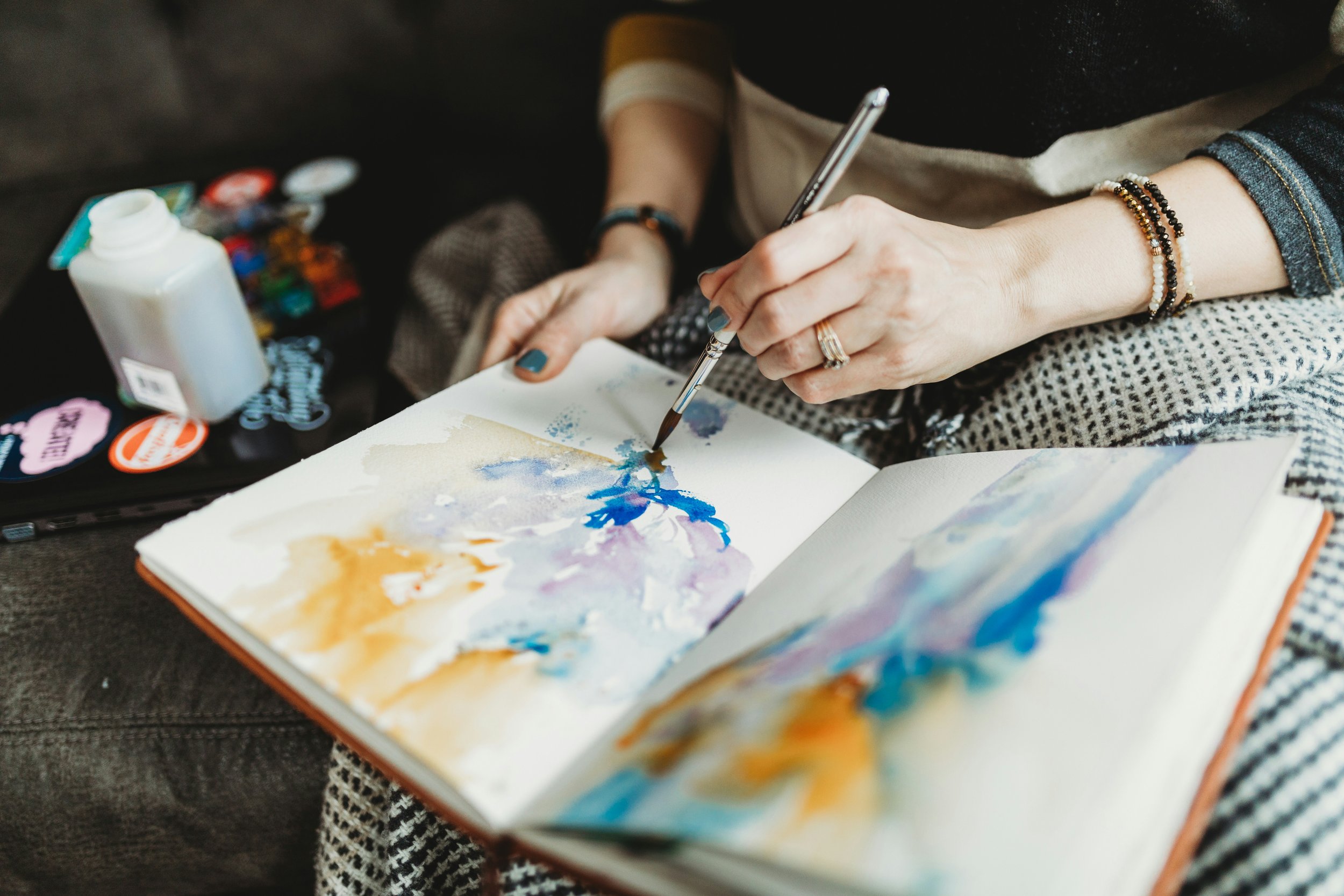
People often ask this important question and are quick to point out that they ‘can’t draw’. Rest assured, no artistic skills whatsoever are necessary to engage with art therapy. The initial invitation is often, ‘to represent the matter at hand through shapes, lines and colours or any other kind of mark-making as it feels best for you’. This does the job perfectly. It’s not about producing magnificent pictures for display. It’s about the process of creating and the internal attunement gained along the way through deeply connecting to other faculties of knowing.
In the words of Paul Klee, 'Art does not reproduce what we see, rather, it makes us see'.