Integrated Somatic Psychotherapy
Grounded in neurobiology this gentle, self-respecting approach optimally supports trauma healing by helping the nervous system soften, rebalance and find its way back to steadiness and safety.

What is Trauma?

Trauma isn’t defined by what happened to us but rather, by how our body responded when an experience felt overwhelming, isolating or disempowering. This can arise in many situations: accidents, assaults, abuse, injuries, medical procedures, chronic illness, relational dynamics, childhood neglect, emotional abandonment, war-zone experience, or indeed any moment that might leave an individual feeling unsupported or powerless.
In those moments, our reactions weren’t conscious choices so much as survival. Our body did what it needed to do at the time to make sense of the situation and to protect us. These survival responses become stored as implicit memory – held deeply within the tissues of the body that get expressed through our nervous system as a fight, flight, fawn, flop, or freeze response when under threat.
The challenge is that these “back-there-and-then” responses become wired into our neurobiology and get triggered by the “here-and-now,” leaving us stuck in cycles of dysregulation that feel confusing, exhausting and distressing.
Further, some memories are preverbal or long forgotten by the mind. But the body never forgets and ultimately this is good news for trauma survivors as encoded response patterns to life can be gently reorganised and released.
As a psychotherapist, I specialise in trauma resolution and draw on two renowned somatic modalities – Somatic Experiencing® and NeuroAffective Touch® – to support the deepest level of healing and integration.
When it comes to trauma healing, traditional talk therapy and other “topdown” approaches that engage the thinking-mind fail to reach these deeply embedded patterns. As the saying goes, “the issues are in the tissues” and this is why a bodybased approach is necessary - it directly addresses the physiological imprints of past experience.
Ultimately, no matter what stories our mind tells, the body carries its own truth about its lived experience. Listening to that truth allows energy to shift, release, and reorganize. From there, new choices and new ways of being in the world become possible.
What is Somatic Experiencing?
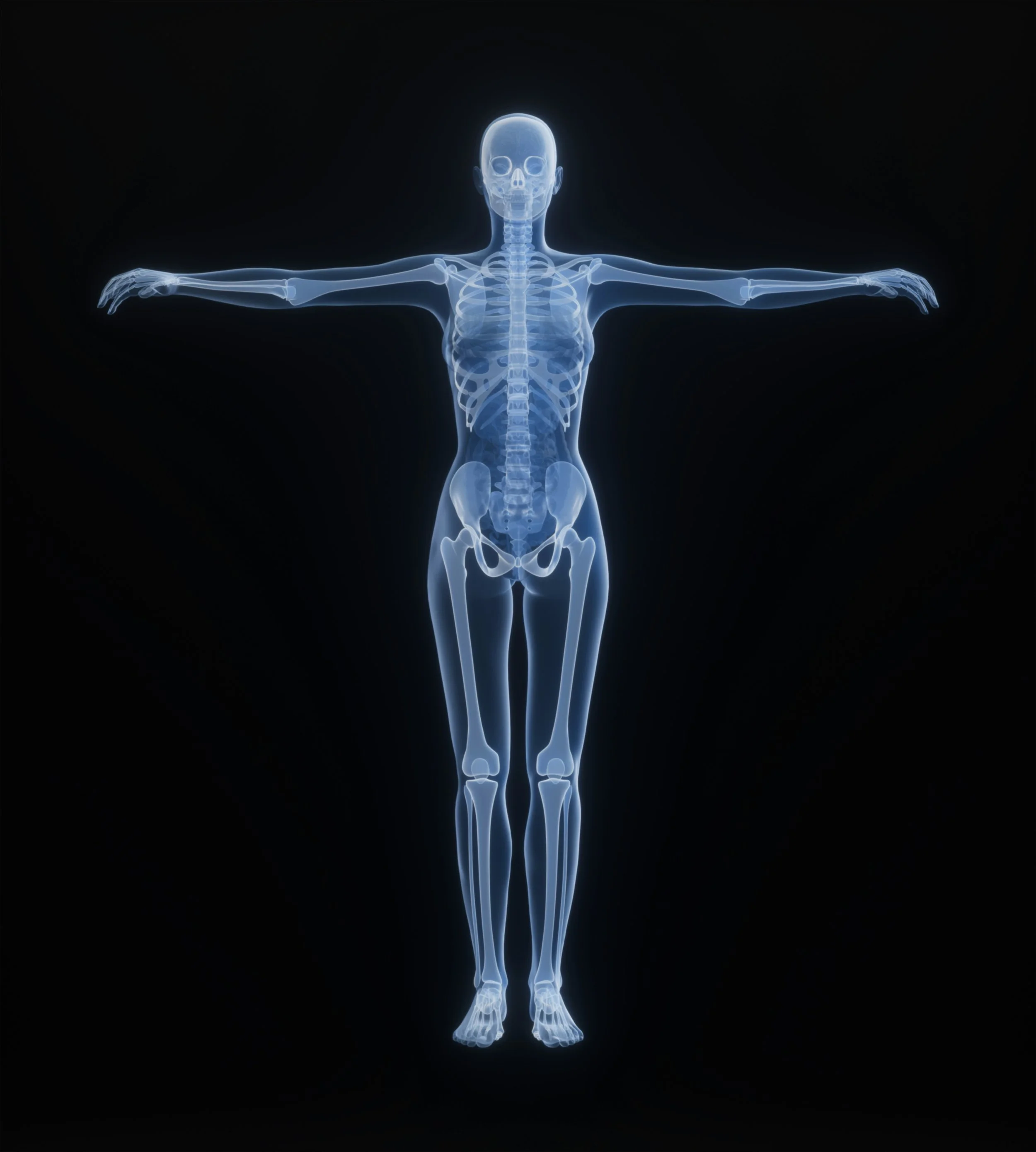
SE® is a gentle, body-based approach to healing trauma and chronic stress responses. It is an active therapy that fosters keen self-awareness, curiousity and self-compassion. Through deep listening we attune to your body’s language and work to gently redirect energy toward a renegotiation of old responses. While much of the session is simply feeling, observing and tracking, at times we may use sensory tools, physical exercises, simple movements or even visualisations to help your body safely complete suppressed survival cycles and to integrate the newfound sense of inner calm.
The SE model itself, created in the 1970s, is the result of over five decades of observation, research and ongoing development at the hands of Dr Peter Levine – author of the seminal texts, ‘Waking the Tiger: Healing Trauma’ (1997) and is taught throughout the world in a thoroughly rigorous training program extending over 3 years.
What is NeuroAffective Touch?
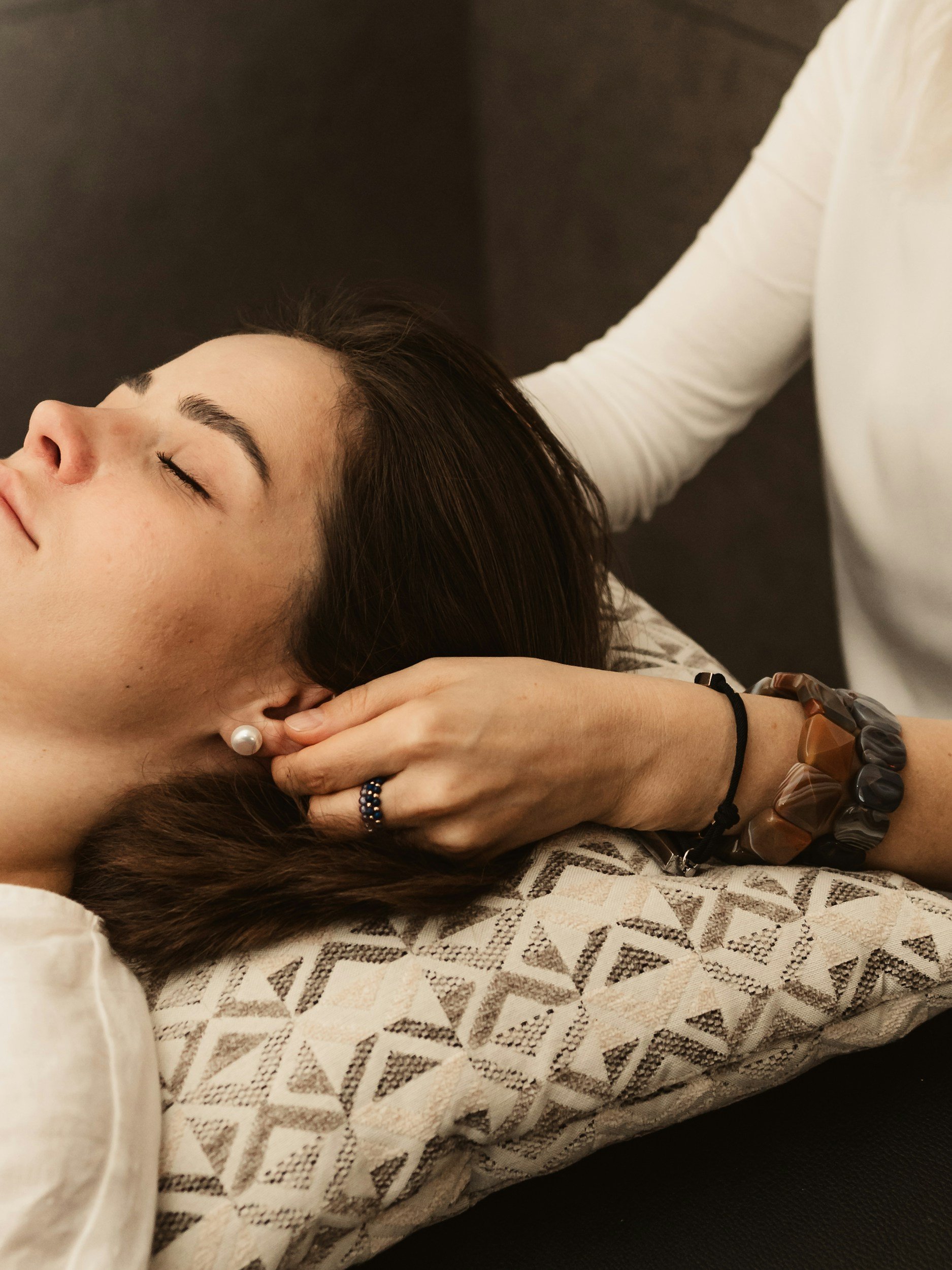
NATouch® is a somatic therapy that bridges psychotherapy and body-work in treating emotional, relational and developmental trauma. Developed by Dr Aline LaPierre, the client is met in the space where Mind and Body meet, with equal attention being offered to each; both Story and Soma.
This profound and exquisitely gentle approach offers touch as part of the reparative process in treating early attachment wounding. By way of specific, highly attuned touch offered at various layers in the body's fascia, musculature or skeletal system, any deeply embodied, carefully constructed, protective patterns are respectfully visited and ultimately interrupted in such a way that the trauma story comes forth and new neural pathways can be mapped. And most importantly, FELT! In this way, early and often preverbal patterning can be rewired, the body's armouring released and long held narratives can be re-storied.
Typically, but not essentially, this can be done with the client lying face-up on a massage table. Alongside the human touch on offer, are other props, used for the client’s optimal containment, comfort and sense of safety. My favourite are the warmed, squishy, velvet flax-seed pillows that are strategically placed on those areas of the Bodymind crying out for what they missed: to be seen, to be heard, to be held and to be deeply attended to. This is healing – born from a sense of safety which sadly, and for so many, is a state still yet to be experienced. As a trauma survivor myself, that was me until my own encounters on the receiving end of NATouch. It was there that I experienced what safety felt like for the first time. It was new. And it was beautiful.
And now it is my deep joy and privilege to offer this experience to others.

“How do you quiet down the frightened animal inside of you? The answer to that is probably in the same way that you quiet down babies. You quiet them by holding and touching them, by being very much in tune with them, by feeding and rocking them, and by very gradual exposure to trying new things.”
Bessel van der Kolk, MD
What if I don’t want to be touched?

At the heart of NeuroAffective Touch Therapy is the belief that touch is one of the most powerful tools we have for healing and repair. Obviously, the hands-on approach is not suitable for everybody as some people are uncomfortable with touch. Understandably. In this instance, alternatives are offered and there are certainly effective ways we can work around it. Your boundaries and preferences will always be respected first and foremost.
Historically, the psychology fraternity has frowned on touch being used in sessions deeming it unnecessary, risky and unethical. Yet, with the ground-breaking discoveries made in recent years about neurobiology, polyvagal theory and interpersonal psychotherapy, there is a growing body of evidence and increasing support for just how vital touch can be in attending to these embodied stories. Indeed, it might be argued that in such cases it is unethical not to offer touch.
Either way, all that to say, the client chooses which way they would prefer to work.
Below is the information I provide in my informed consent form about touch work:
“As an Integrative Somatic Psychotherapist and in accordance with my training, I may at times offer you appropriate non-invasive touch support for the following reasons: grounding, containment of overwhelming emotion, co-regulation support, mobilisation or awareness building. No touch offered will ever be sexual in nature as this would be unethical and illegal. You will always be asked before being touched and have the right and my full support to decline. If you do not feel comfortable with touch, or if the session does not call for it, your session will not include touch work.
If this approach is of interest to you, I suggest you start with a session or two and see how you feel afterwards.
The results speak for themselves.