The Clay Field
Clay Field Therapy is a trauma-informed, unique and extraordinarily powerful modality inviting a renegotioan of deeply embedded, unconscious material in a way that is safetly contained and really rather wonderful. From my own encounters in the Field and from witnessing those of many clients since, I can only describe this unusal, tactile experience as profound - every single time. The efficacy of this sensorimotor or ‘bottom-up’ approach in accessing and, quite literally, reshaping the inner landscape and one’s sense of Self in the world is undeniable.
What is it?
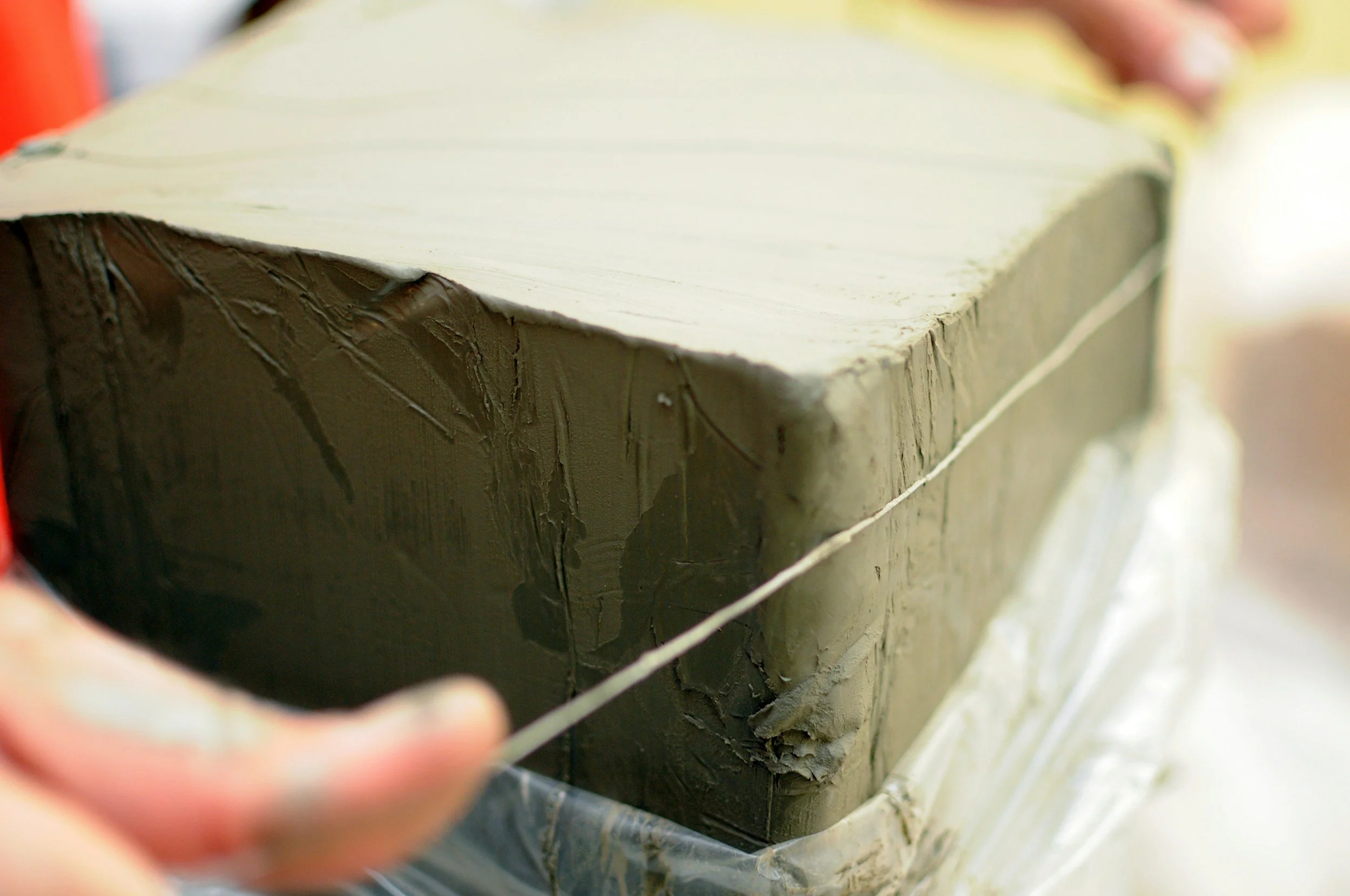
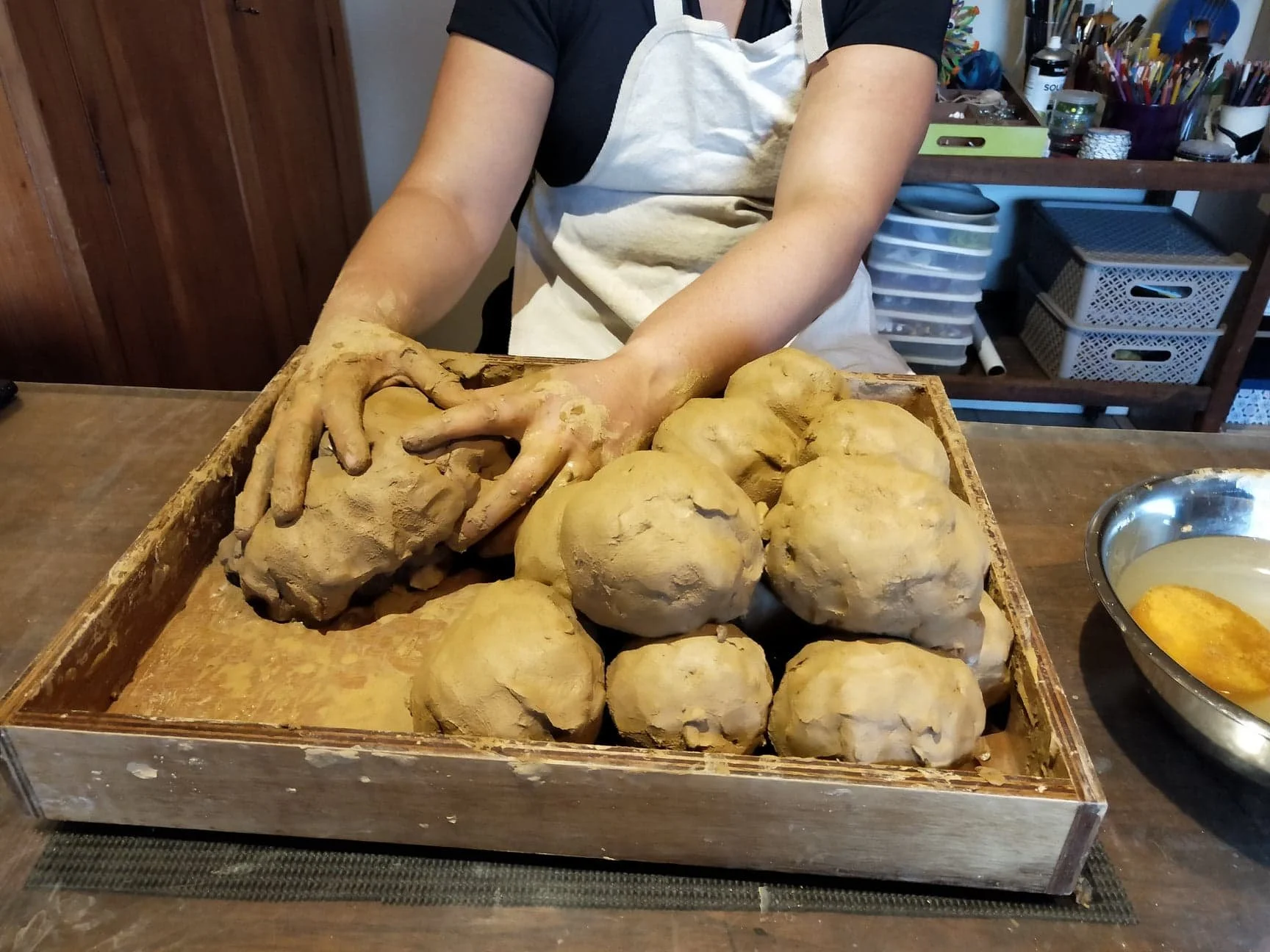
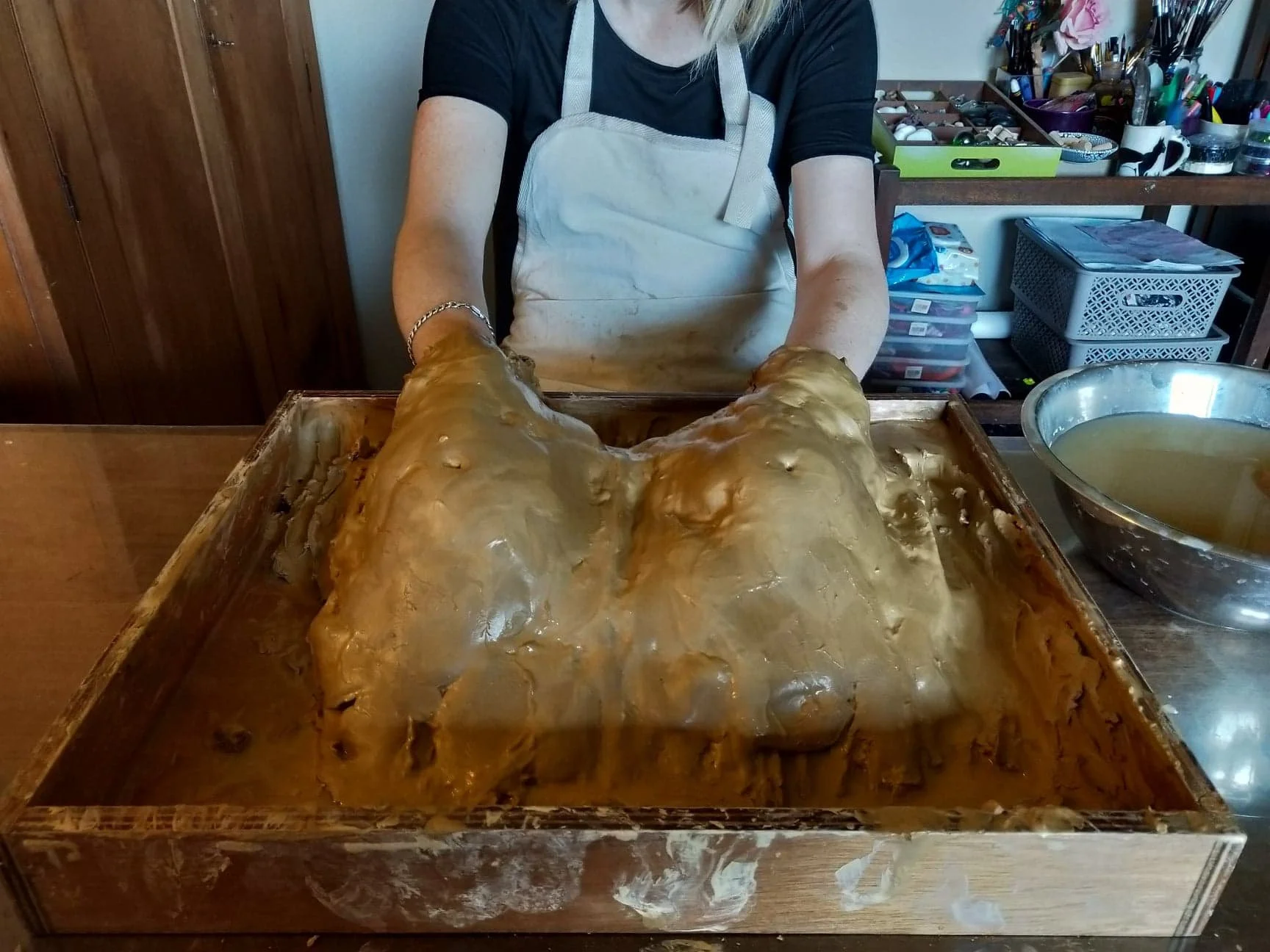
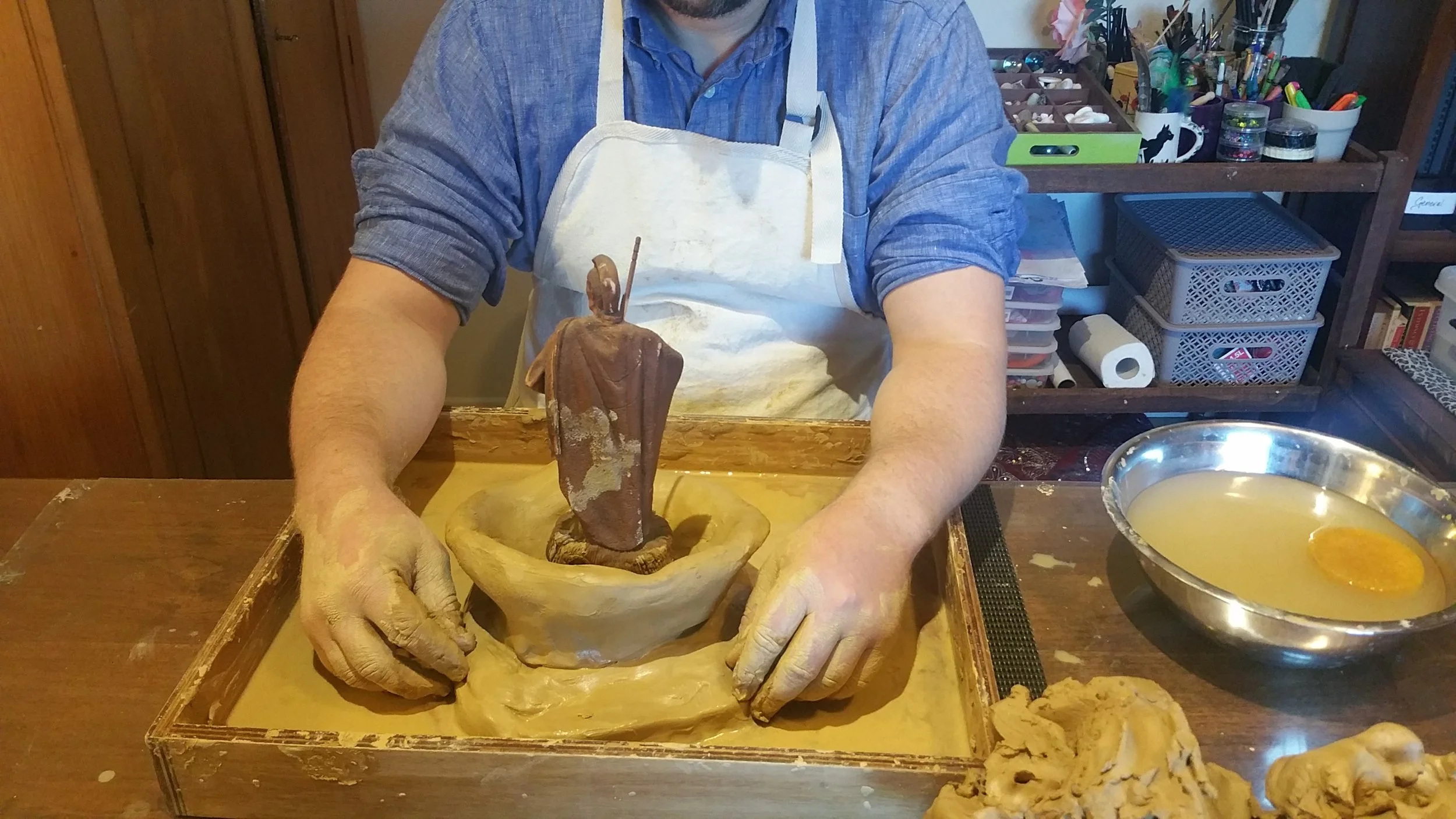
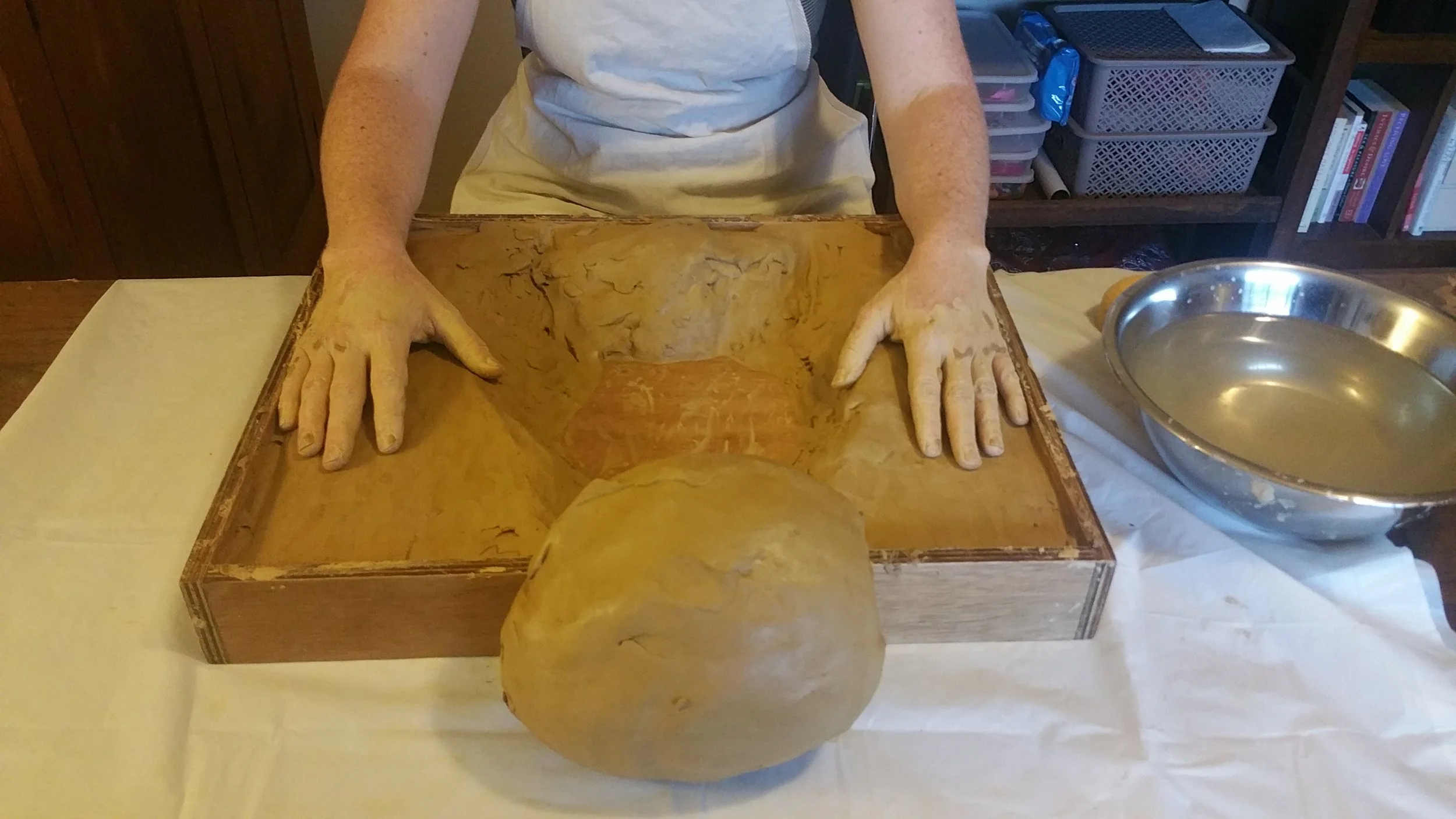
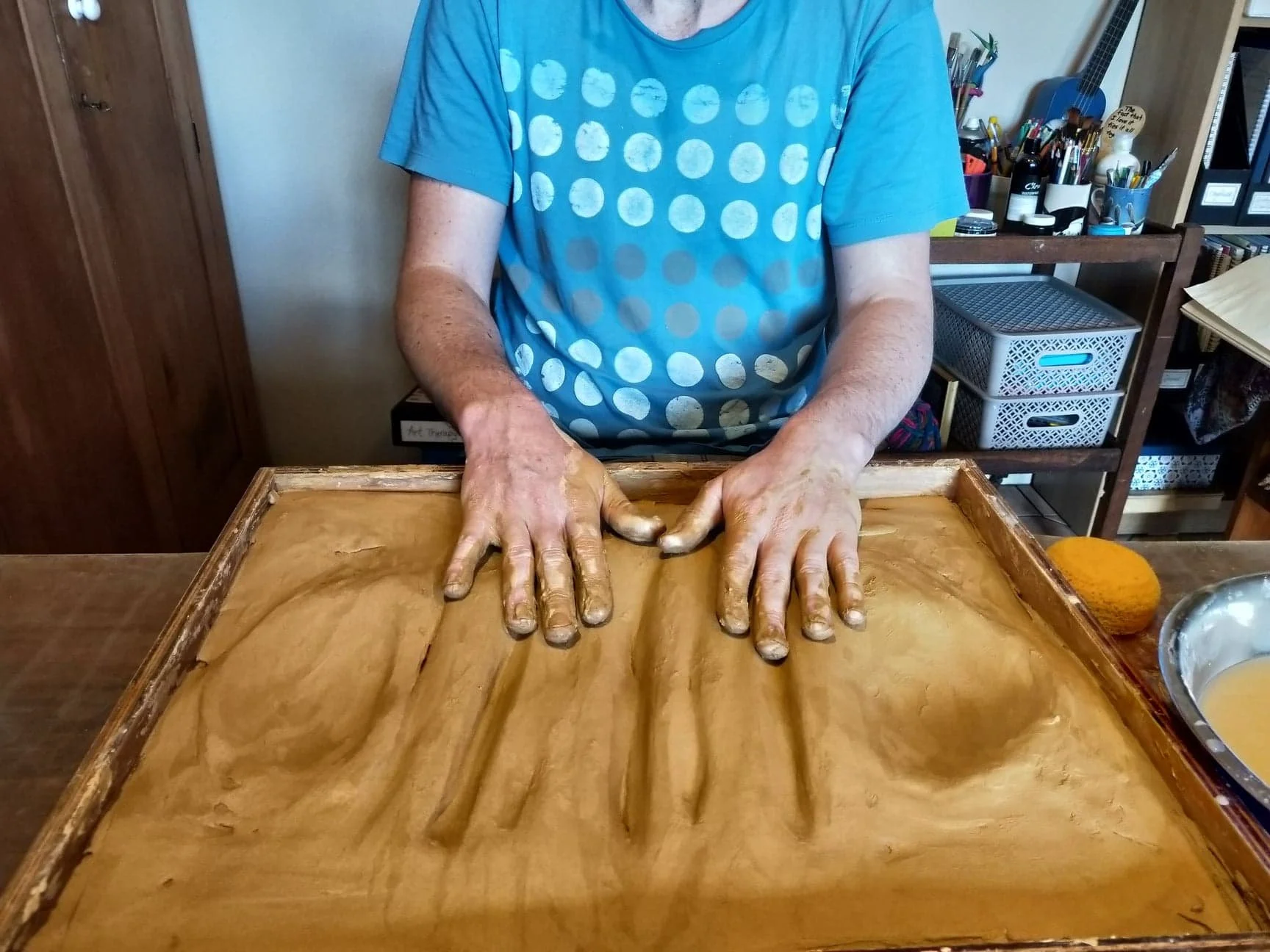
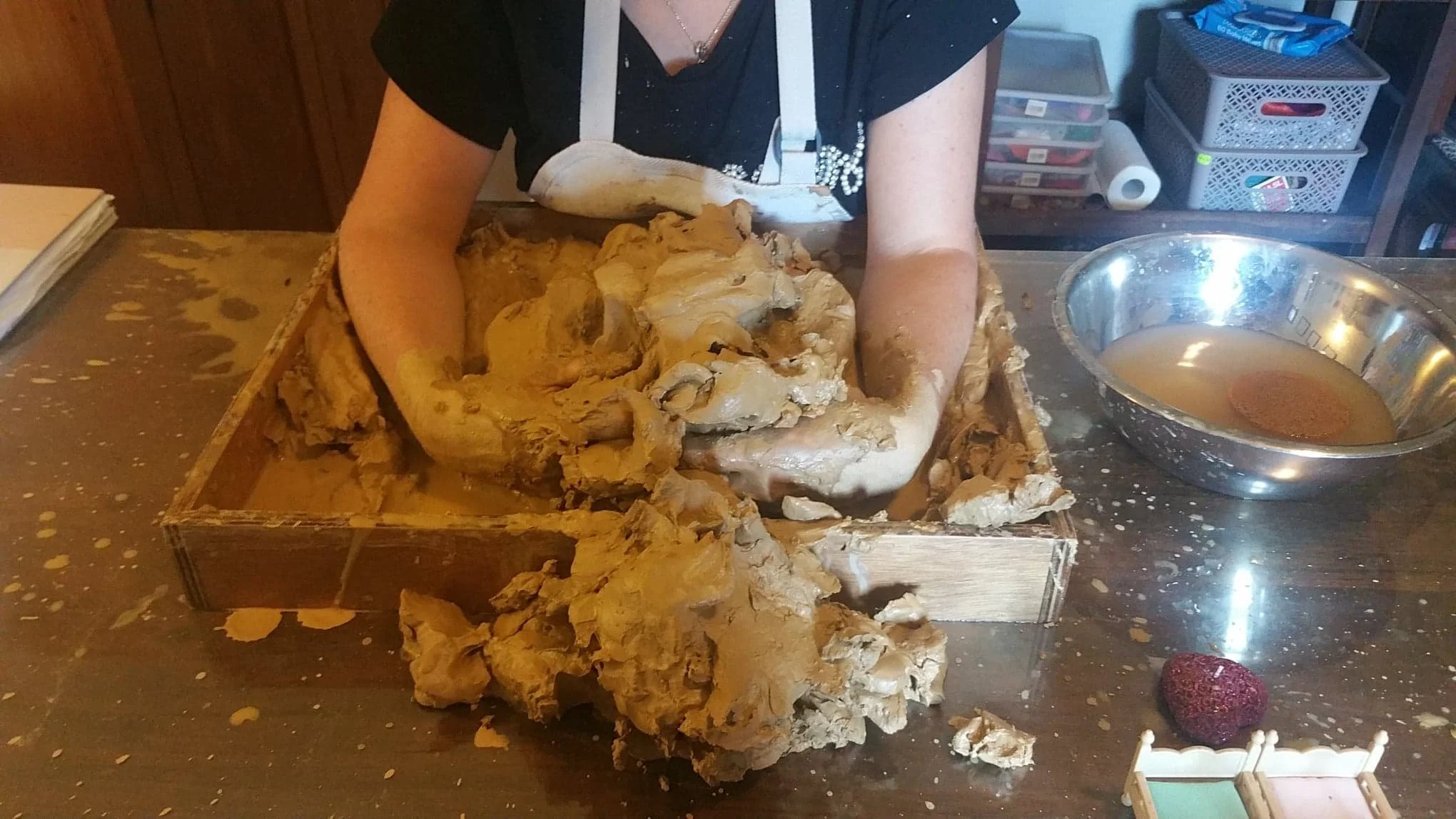
The Clay Field is simply a flat rectangular wooden box that holds about 15 kg of lovely buttery clay. A bowl of warmed water and a sponge are also supplied and through these humble offerings a whole world opens up for the hands to explore … and negotiate … and problem solve … and play … and express … and celebrate … and struggle … to ultimately find themselves in a space on the other side of it all. Somewhere new. In short, this magic box of clay is a facilitator of self-discovery.
To learn more please visit this YouTube clip:
https://www.youtube.com/watch?v=ION7vBf7k_A
(Although this footage shows its use with a child, the Clay Field is equally potent when used by adults – all be the approach and the facilitation of such an entirely different process. Adults are invited and would ideally work with their eyes closed (if that feels emotionally safe for the individual in question). This alone can take people into a deeply regressive, sensory experience of exploration and emotionally reparative work that bypasses cognitive processes.
Non Cognitive & Non-Verbal
While the theoretical underpinnings of the Clay Field are dense and grounded in decades of research, none of it need be explained to the one entering the experience. For the most part, Clay Field Therapy is a non-verbal approach inviting greater self-connection, awareness and impulse completion.
It’s not cognitive and no story need be told. Your hands do the work necessary in the clay and my job, as your facilitator, is to witness it and offer support where necessary. That said, upon completion, we may discuss ‘what just happened’ which offers Mind the opportunity to reflect upon and integrate the experience.
Who Can Benefit?
The Clay Field is particularly suited to those seeking trauma healing. It’s helpful in boundary consolidation work and those navigating difficult relational dynamics, grief and loss, early attachment deficits, and more generally, for those wanting to recover a stronger, truer sense of Self.
How Does it Work?

Dr Cornelia Elbrecht who brought the training from Germany to Australia in the 1970s and who wrote the book, ‘Trauma Healing at the Clay Field: A Sensorimotor Art Therapy Approach’, teaches that the Clay Field centres on touch which is the most fundamental of human experiences.
The first year of our life is dominated by the sense of touch. Tactile contact is the first mode of communication we learn. Our earliest stages in life are dominated by oral and skin contact between infant and caregiver. Our earliest body memories and our core attachments were formed when we relied on sensorimotor feedback to feel safe and loved. Encounters at the Clay Field involve an intense tactile experience that can link us to a primordial mode of communication, to a preverbal stage in our life. This is the beneficial quality of clay in a therapeutic context.
Due to the texture, weight and resistance of the clay, the material demands physical effort. Very quickly the head – and with it our monkey mind – is pushed aside to make way for the more “ancient” urges of our more basic life impulses or libido. The hands in the ‘here and now’ are encouraged to find new ways to deal with any unfinished business from ‘back there and then’ and to complete actions that previously remained incomplete. Essentially, your body gets to rewrite its story from the bottom-up, taking what it needs and doing what is necessary to heal itself from an intuitive reworking.
‘Upon completion, there will be no finished product, no artwork to show to friends or take home and no sculpture to be fired in a kiln. At the end of a Clay Field session, only intense body memories remain. The kinaesthetic motor action combined with sensory perception will have lasting therapeutic benefits, especially in cases of emotional healing.’ (Institute for Sensorimotor Art Therapy & School for Initiatic Art Therapy)
This unique art therapy approach is recognised in Europe as a discipline in its own right and is practiced by over 500 Clay Field Therapists in numerous institutions around the world.
For more information please visit:
https://www.sensorimotorarttherapy.com/blog/2019/5/9/clay-field-therapy-work-at-the-clay-field